Wellness Teas & Infusions
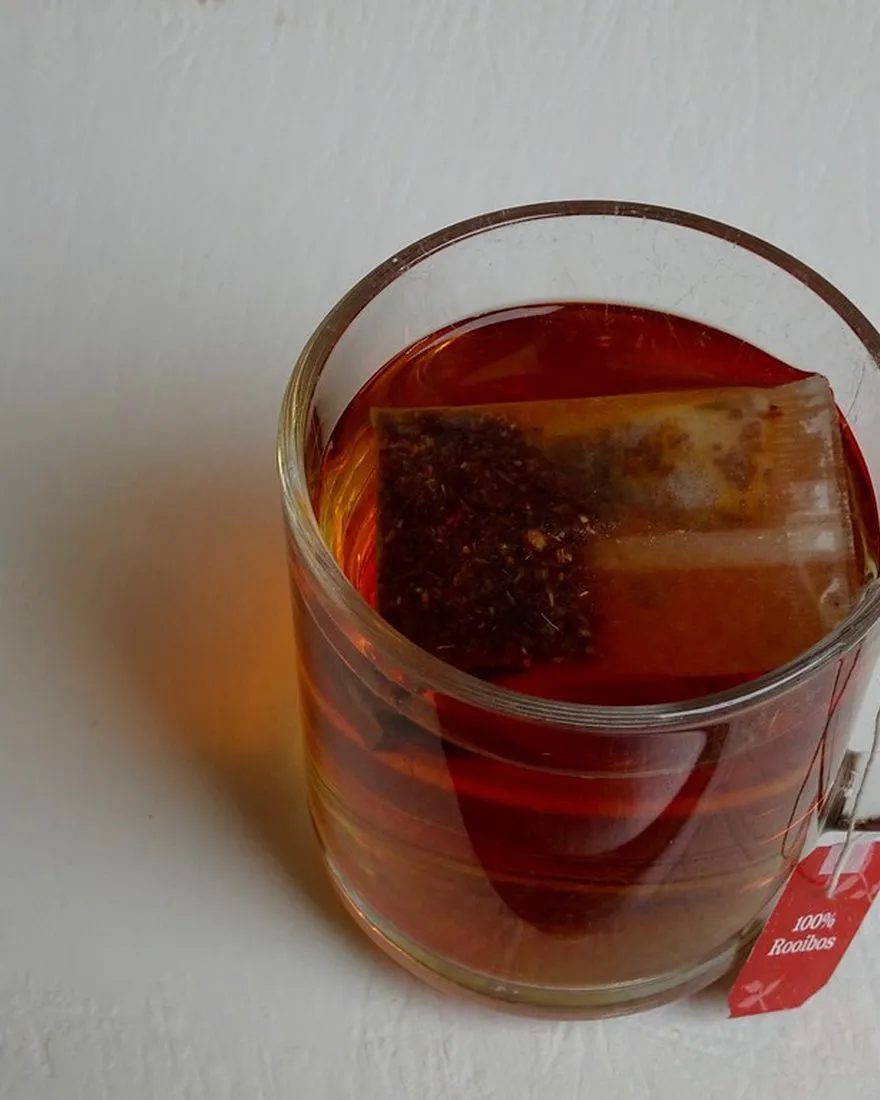
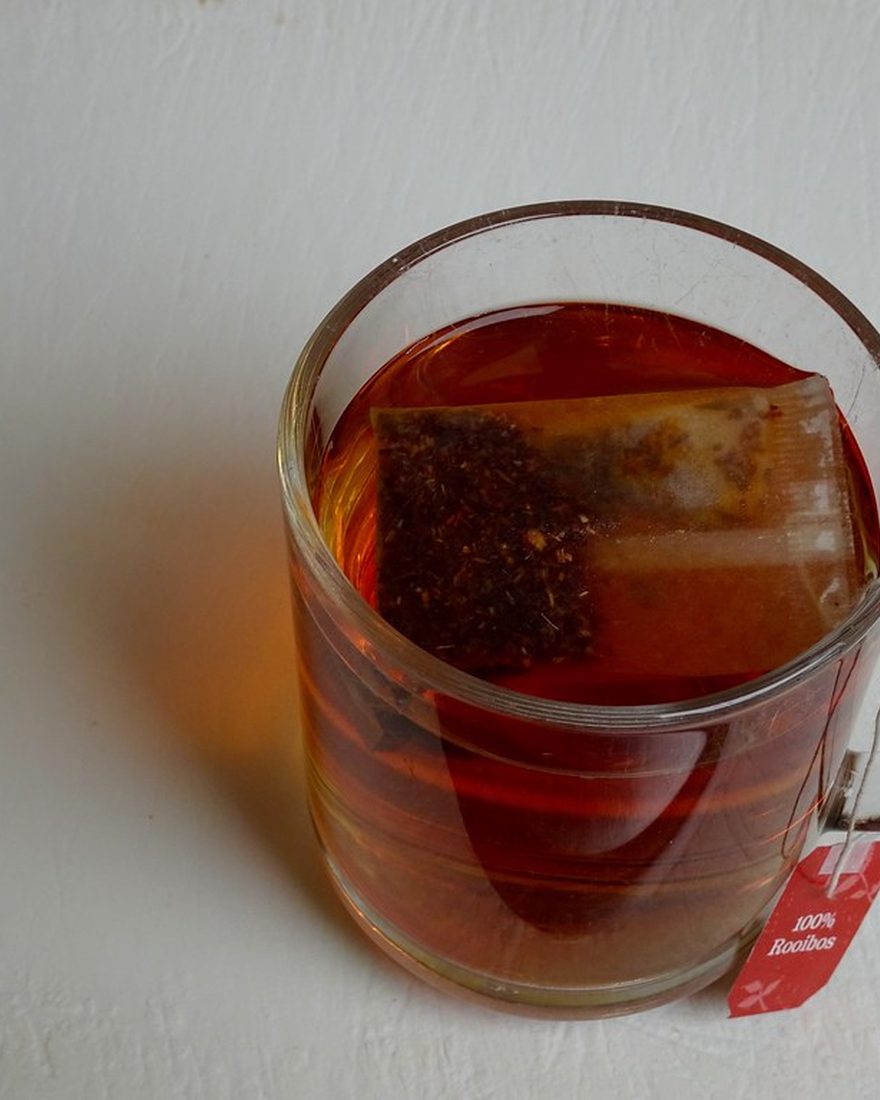
Rooibos Red Bush Infusion
Naturally caffeine-free red bush from the Cederberg — sweet, smooth, any hour.
$12.00
Last reviewed
Field notes
- Form
- 100 g loose-leaf tin
- Dose
- 1 tsp per cup, steep to taste
- Certification
- Organic, caffeine-free
- Origin
- Rooibos, Cederberg, South Africa
In stock — ships within 48h
Third-party testedEvery batch verified by an independent lab.
Ethically sourcedVetted makers, traceable origins.
Vegan & cleanNo unnecessary fillers, ever.
Ships in 48hTracked from checkout to your door.
Description
Aspalathus linearis, the red bush, grows wild and cultivated on the Cederberg slopes of South Africa and, in any commercial quantity, nowhere else on earth. The cut stems and needle-fine leaves are left to oxidize in the sun until green turns to a deep russet red, the process that gives rooibos both its color and its round, sweet flavor with no bitterness to speak of.
The Khoisan peoples of the Cederberg region were the first to harvest and brew rooibos, a practice going back generations before the plant was ever exported. It is traditionally valued as a gentle, antioxidant-rich daily cup, drunk at any hour since it carries no caffeine to disturb an evening or a child's bedtime.
A teaspoon per cup, steeped as long as you like — rooibos has no tannin edge to turn bitter with time, unlike black tea left too long. Naturally sweet on its own, no milk or honey required, though either is welcome.
Rooibos is valued as an everyday antioxidant-rich infusion; it makes no claim to treat or prevent illness, and it is simply a good, gentle cup for any hour of the day. One hundred grams loose-leaf, certified organic and naturally caffeine-free. Steep as long as you like — it will not turn bitter.
Story preview
Tap to flip through the cover, snippets, and details.
 Rooibos Red Bush Infusion
Related products
View all →

Recently viewed
Rooibos Red Bush Infusion
$12.00