Mushrooms & adaptogens
Shatavari Root Powder.
Shatavari, the tuberous root of Asparagus racemosus, grown in Madhya Pradesh, shade-dried and milled to a pale ivory powder: a rasayana of Ayurvedic tradition, stirred into warm milk at dusk.
Recommended for you.
Essential Oils
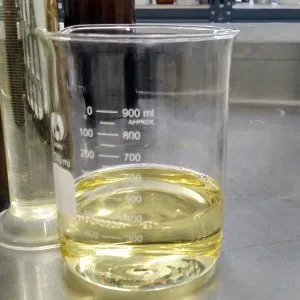
Lavandin Grosso
Lavandin Grosso from organically produced French blossoms, a hybrid of spike lavender and true lavender: herbal, less floral than Super, with a touch of spice beneath the lavender.
$9.00

Coffee with creamer
Original Coffee Plus
The Original Recipe!
$4.99
Essential Oils
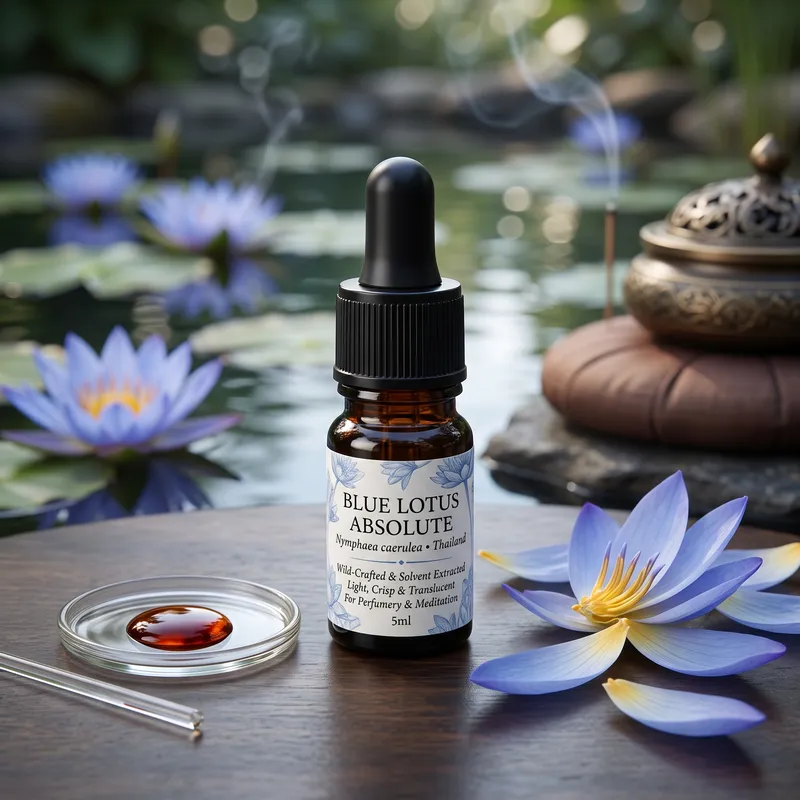
Blue Lotus Absolute
Blue lotus absolute, solvent extracted from wild-crafted Nymphaea caerulea petals in Thailand: light, delicate and less floral than other lotus, crisp then translucent, for perfume
$108.00

Daily staples
Omega-3 Fish Oil
Clear amber softgels of omega-3 oil from anchovy and sardine, molecularly distilled to concentrate EPA and DHA and finished with lemon oil, so no fishy aftertaste lingers.
$26.00
Natural Products for Hormonal Balance & Women's Health
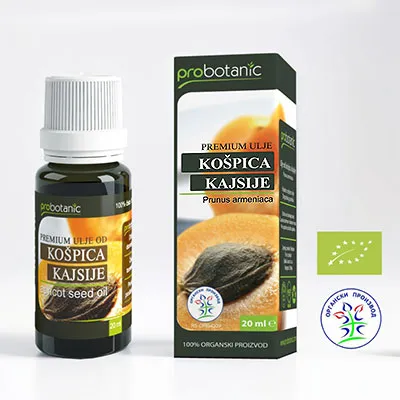
Apricot Kernel Oil 20 ml
100% pure, natural and organic oil, cold-pressed from apricot kernels
$6.31
Pantry
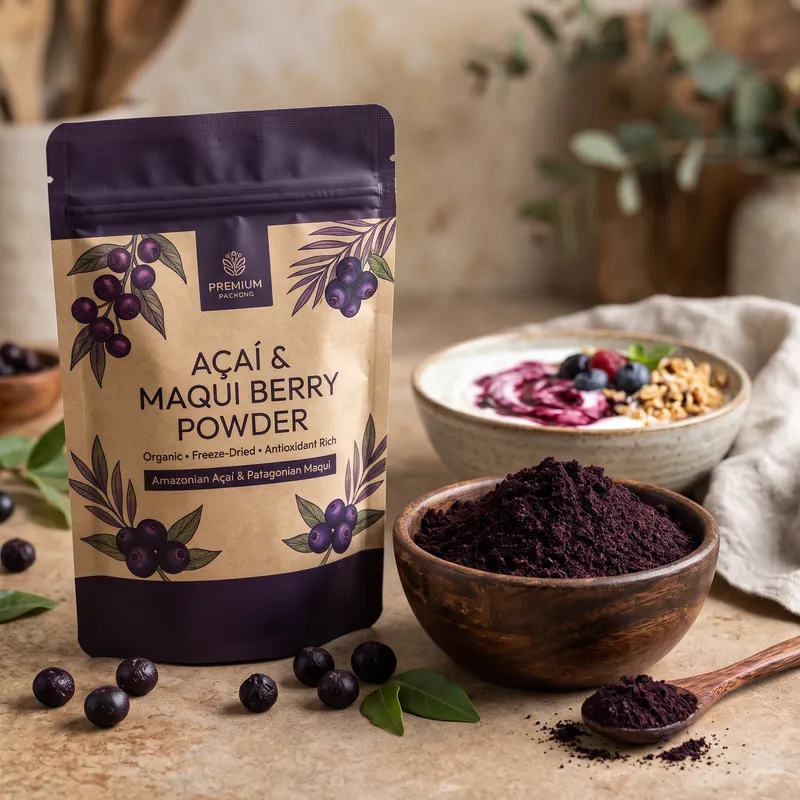
Açaí & Maqui Berry Powder
Freeze-dried açaí from the Amazon floodplain and maqui from Patagonia, ground together into a near-black purple powder: tart, faintly grape-dark, and made for smoothie bowls and yo
$24.00
Natural Products for Digestion & the Digestive System
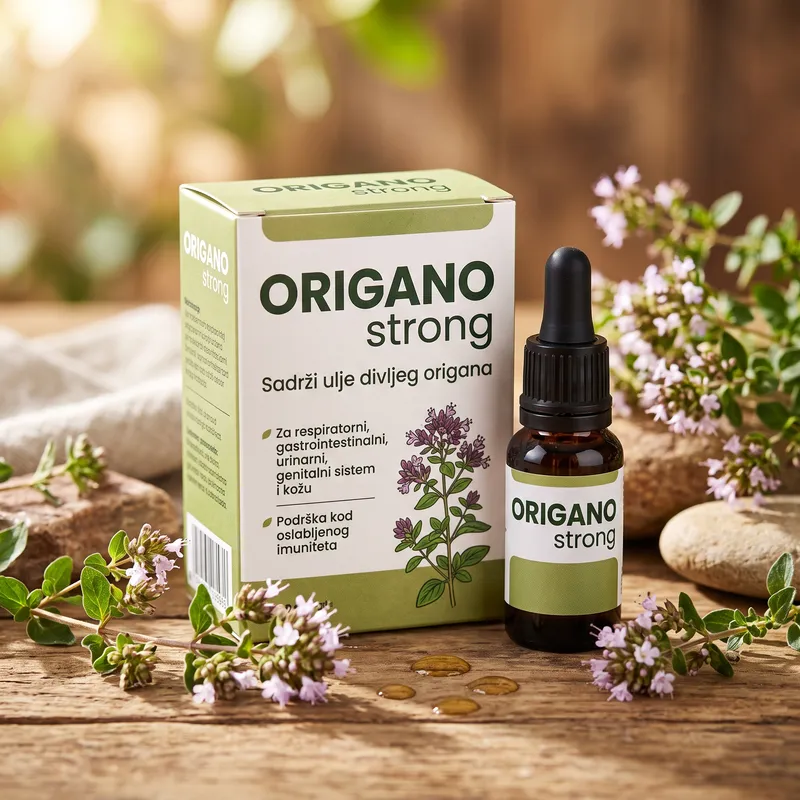
Origano Strong Softgels
Origano Strong contains wild oregano oil and is recommended for infections of the respiratory, gastrointestinal, urinary and genital systems and skin, as well as for weakened immun
$18.35
Pantry
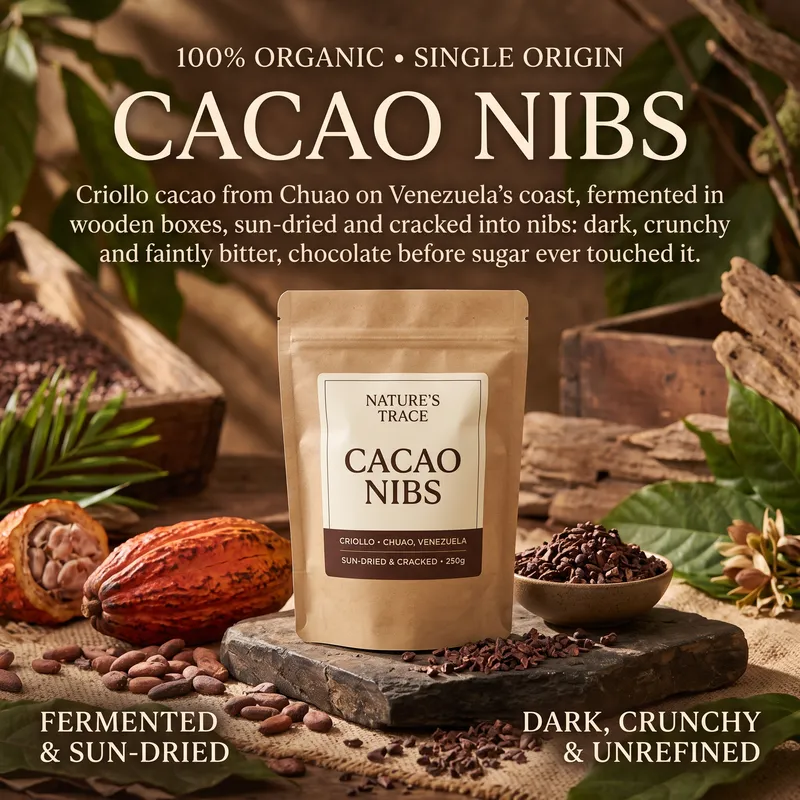
Cacao Nibs
Criollo cacao from Chuao on Venezuela's coast, fermented in wooden boxes, sun-dried and cracked into nibs: dark, crunchy and faintly bitter, chocolate before sugar ever touched it.
$20.00
Options and costs for your address, before you pay
About this product
A cup of warm milk in the evening, half a teaspoon of pale powder stirred in with a little honey or ghee, and a few slow minutes to drink it. In Ayurveda, shatavari is traditionally simmered in milk or ghee: a small ritual as much as anything else.
Shatavari comes from the tuberous roots of Asparagus racemosus, a climbing, needle-leafed relative of garden asparagus that grows wild across India's forests and foothills. The roots grow in dense clusters, and the name is often translated as she who possesses a hundred roots, though older texts render it a hundred husbands, a wink at the plant's reputed vitality. Ours is grown in Madhya Pradesh, harvested at full maturity when the tubers are thickest, then shade-dried rather than sun-bleached to keep its pale color. Milled to an ivory powder, it has a faint bitter-sweet, almost milky smell.
In Ayurvedic practice it is classed as a rasayana, a rejuvenating tonic, long valued by women across the different stages of life.
Details
- Botanical name: Asparagus racemosus
- Part used: root, shade-dried and milled
- Origin: Madhya Pradesh, India
How to use
Warm a cup of milk or a milk alternative, stir in half a teaspoon with a little honey or ghee, and drink it slowly in the evening; some prefer it at breakfast instead.
An unhurried root for an unhurried evening.
You might also like
You may also enjoy.
Picking up where you left off