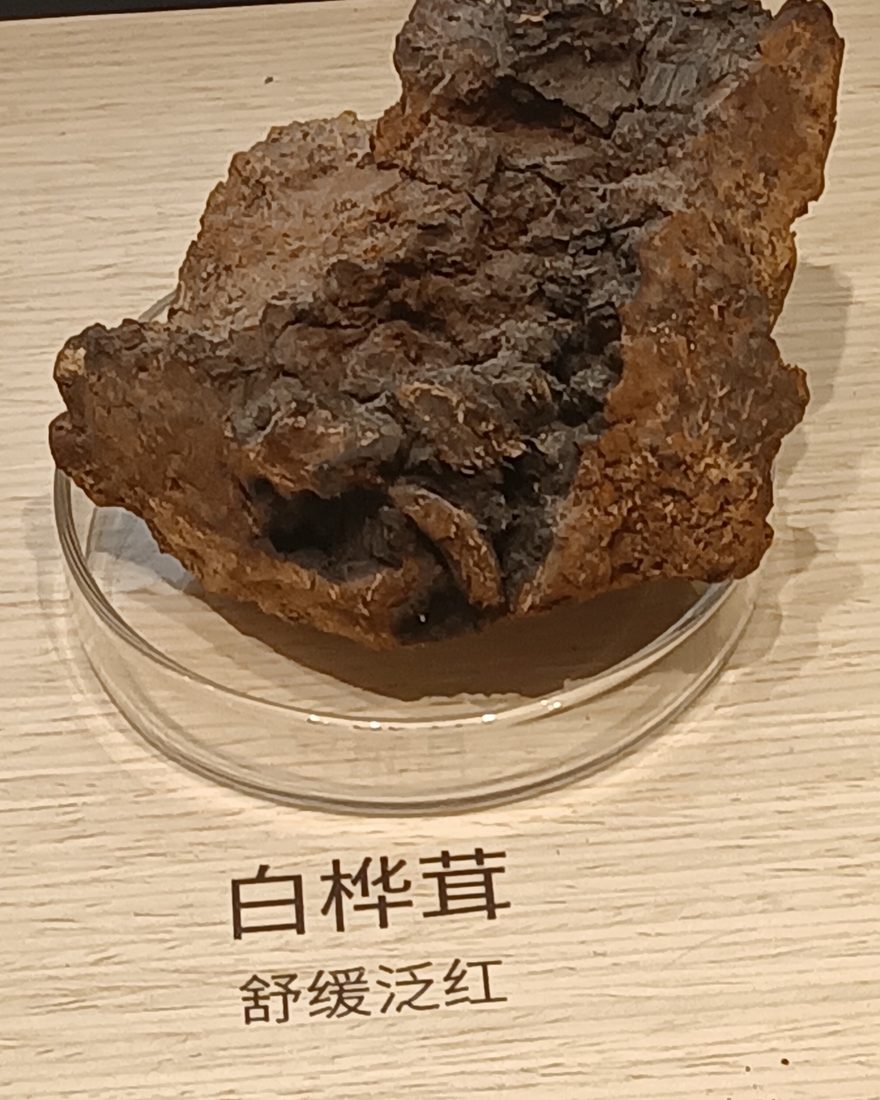
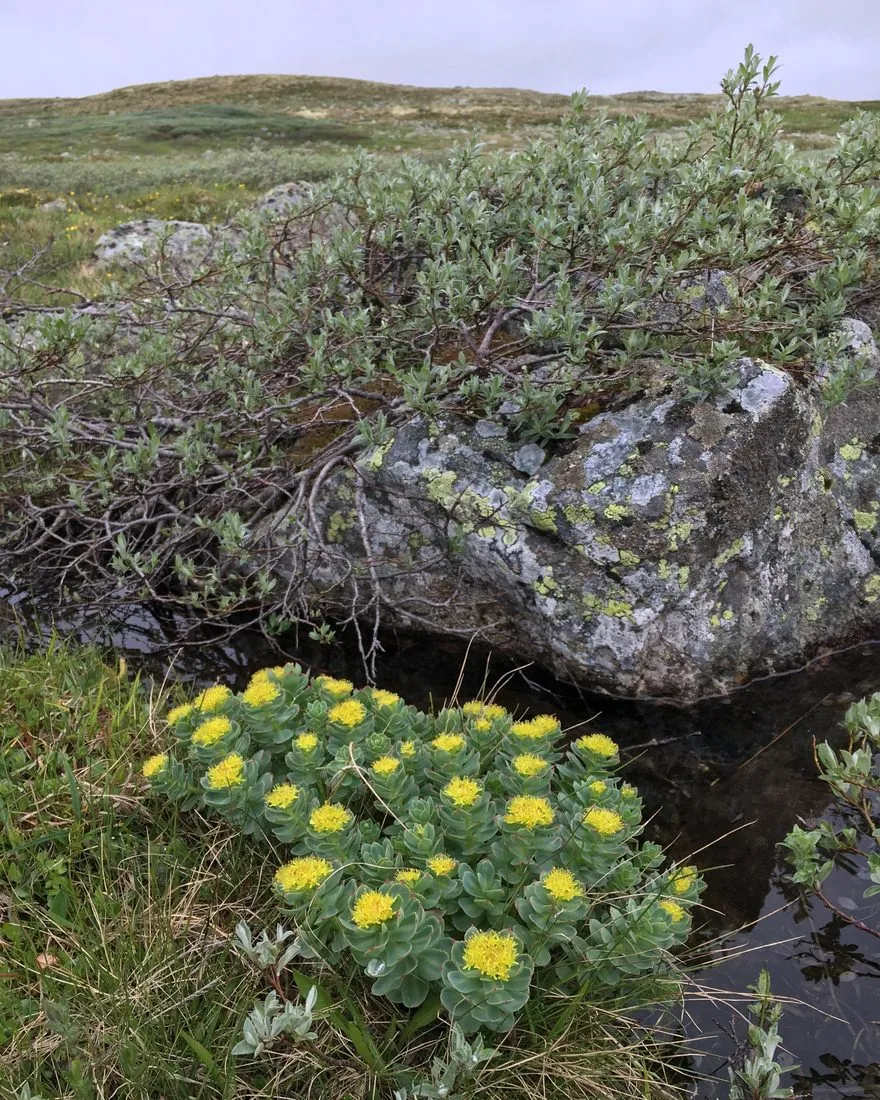
Rhodiola rosea, the golden root or roseroot, dug from cold, thin soil high on the cliffs of the Altai Mountains, where a short growing season and hard winters seem to concentrate whatever makes the root worth digging for. Broken open, the root smells faintly of roses, a curiosity that gave the plant its species name. Each capsule is standardized to 3% rosavins and 1% salidroside, the two compound groups most associated with the root's traditional reputation.
Rhodiola has a long history as an adaptogen in Scandinavian and Siberian folk practice, traditionally used to help the body adapt to physical and mental strain rather than to treat any particular ailment. Viking sailors and, much later, Soviet-era athletes and cosmonauts are both said to have relied on it before demanding effort.
Take one capsule in the morning, on rising, rather than later in the day — adaptogens of this kind are traditionally taken early, and a late dose is sometimes reported to sit poorly with sleep. Give it several weeks of steady use rather than judging it by a single morning.
This is a supplement meant to support the body's ordinary response to stress and exertion, not a treatment for any condition, and it is not a substitute for medical advice. Our root is wild- crafted rather than farmed, dug from the Altai highlands where rhodiola has always grown wild.
Story preview
Tap to flip through the cover, snippets, and details.
 Rhodiola Rosea Highland Extract