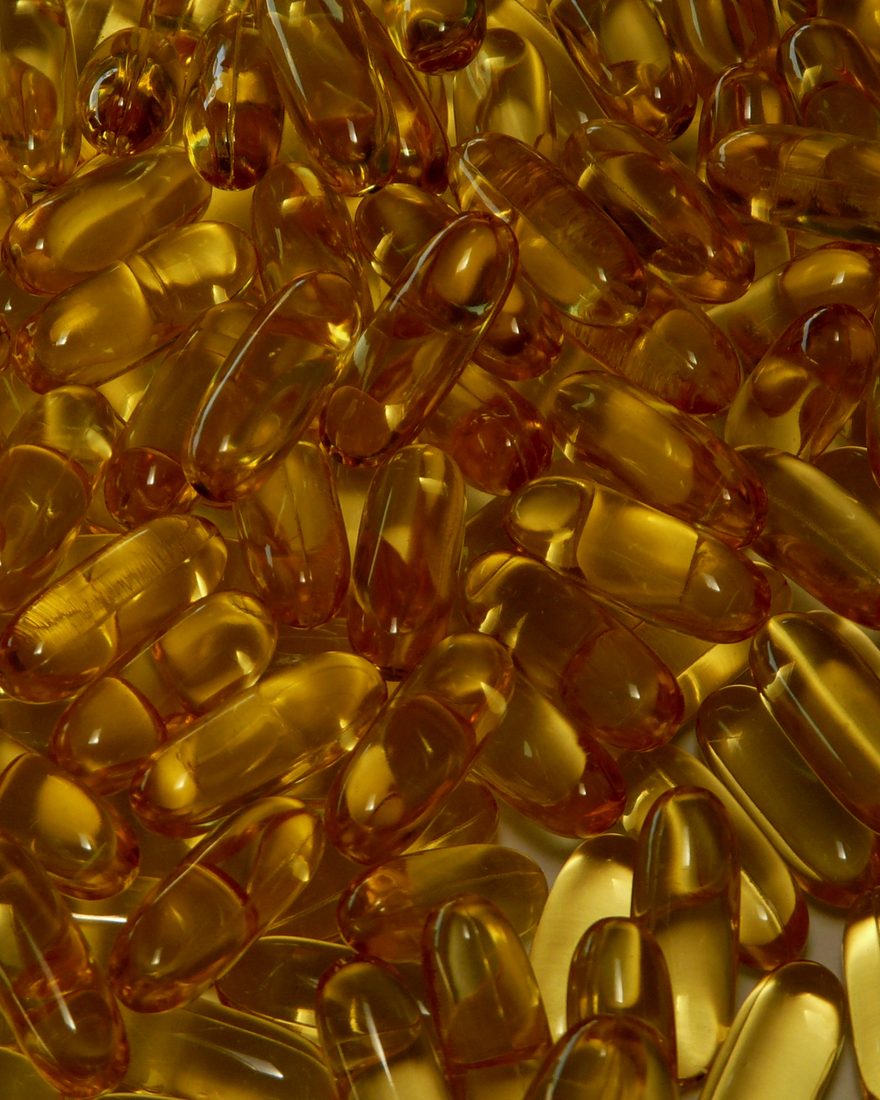
Iron bound to two glycine molecules — a bisglycinate chelate — a form the body reads as closer to an amino acid than a raw mineral, sparing the stomach the cramping heaviness plain ferrous sulfate is known for. Each capsule carries 25 mg of this gentler iron alongside acerola-derived vitamin C, the old companion nutrient long paired with iron to help it cross into the bloodstream.
Iron deficiency has been recognized and treated for longer than modern chemistry has existed: nineteenth-century physicians dosed patients with iron filings steeped in wine or vinegar, crude but not wrong in principle. Vitamin C's role alongside it is newer, understood only once the chemistry of gut absorption was worked out, but the pairing has since become standard practice wherever iron is dosed with any care.
One capsule daily, taken with food, and away from tea, coffee, or dairy — tannins and calcium alike bind iron and block the door before it opens. A gap of an hour either side of a meal or drink is usually enough to let the mineral through.
Iron is traditionally used to support the reduction of tiredness and fatigue and the body's normal transport of oxygen through the blood. This product is not intended to diagnose, treat, cure, or prevent any disease and does not replace the advice of a physician, particularly for anyone with a diagnosed iron disorder.
Story preview
Tap to flip through the cover, snippets, and details.
 Iron Ember Bisglycinate