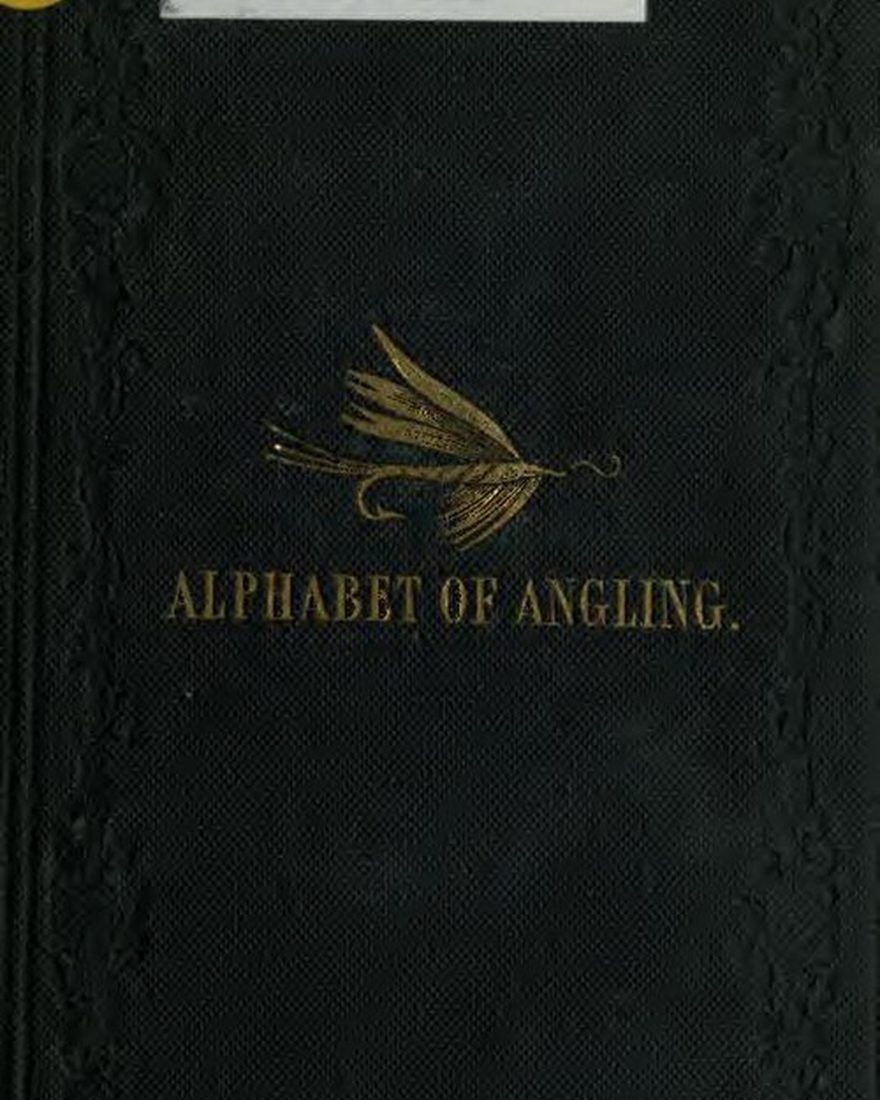
A cloth-bound book, cream-paged and a little smaller than a standard notebook, with a ribbon marker sewn into the spine and an elastic band to keep it shut in a bag. The cover is unmarked linen in a deep charcoal, left plain rather than stamped with symbols, so it can hold whatever practice its owner brings to it.
Reading journals are a quieter, more recent habit than most divination tools, but the impulse behind them is old: a caster or card-reader writing down what was drawn and what followed, so patterns become visible only in hindsight. Long kept by careful readers of every kind, a journal is where a single pendulum swing or a single card starts to mean something more than chance, simply by being written down and returned to.
The paper inside is a smooth, fountain-pen-friendly stock, one hundred sixty pages, lightly lined rather than gridded so both quick notes and small sketches of a spread fit comfortably. The binding is sewn rather than glued, which lets the book lie flat when open, useful for a reader who wants both hands free for cards or coins while noting what came up.
Note the date, the question, and the draw before writing any interpretation, so the record stays honest even when a reading turns out wrong. Return to it after a season or a year and read your own hand instead of the cards. A plain place to keep an uneven kind of record.