Wellness Adaptogens & Mushrooms
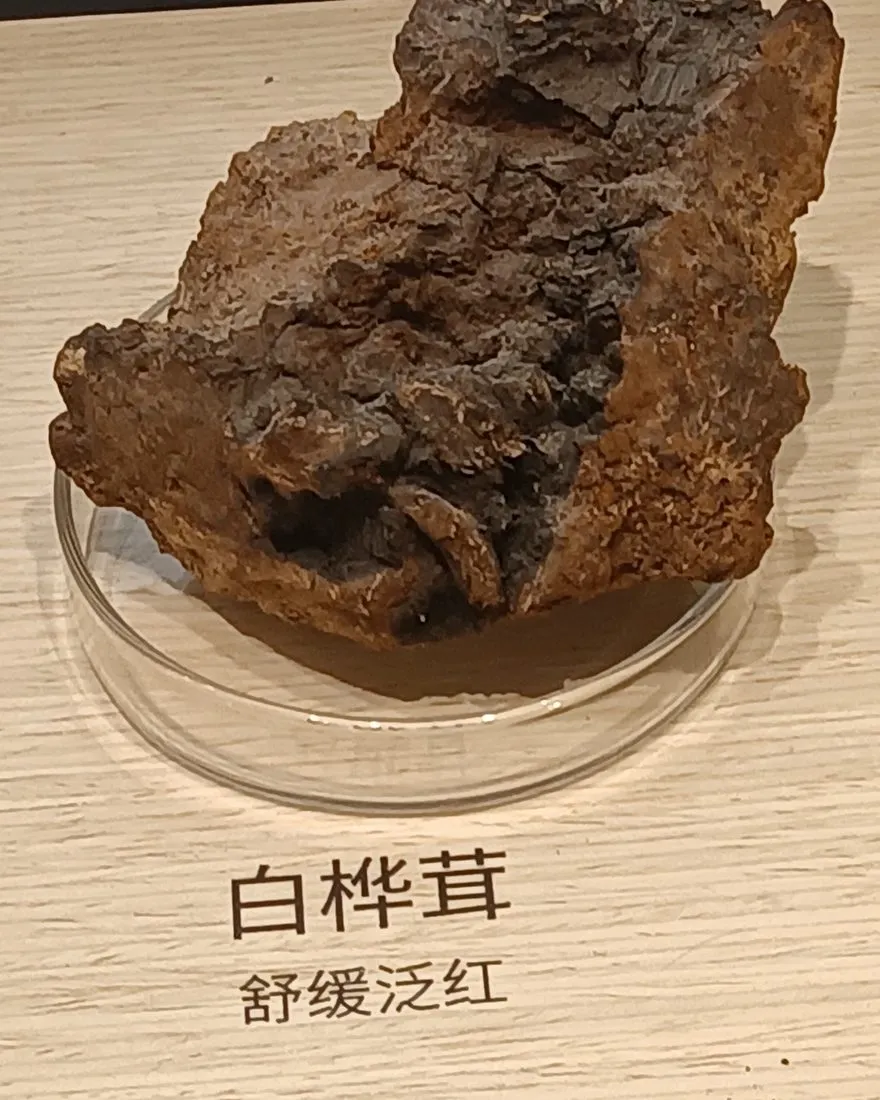
Chaga Birch-Forest Elixir
The black birch conk of the boreal forest, brewed dark as coffee.
$28.00
Last reviewed
Field notes
- Form
- 100 g extract powder
- Dose
- 1 teaspoon daily
- Extract ratio
- 10:1 dual extract
- Origin
- Wild birch chaga, Finnish Lapland
In stock — ships within 48h
Third-party testedEvery batch verified by an independent lab.
Ethically sourcedVetted makers, traceable origins.
Vegan & cleanNo unnecessary fillers, ever.
Ships in 48hTracked from checkout to your door.
Description
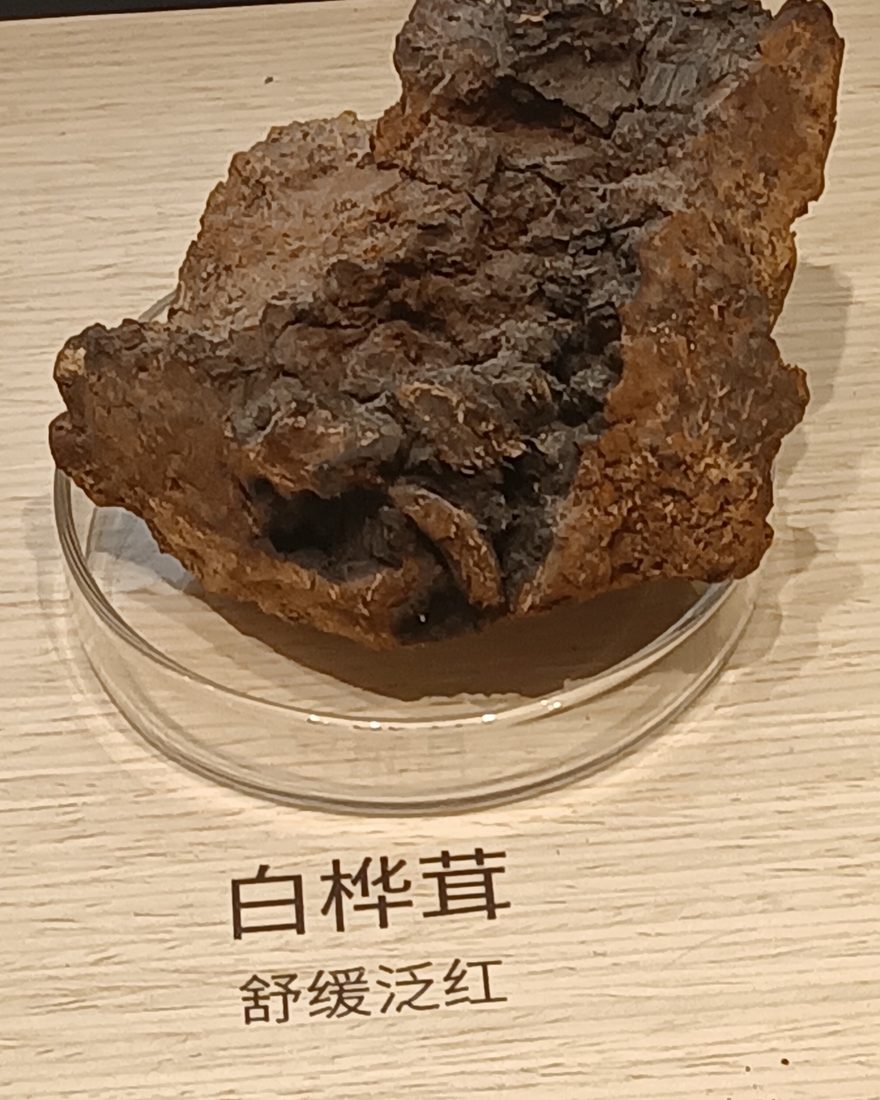
Inonotus obliquus, the charred, clinker-like mass that erupts from the bark of wounded birch trees across the northern boreal forest — not a mushroom in outward shape at all, but a hardened sclerotium the fungus builds over years. Ours is wild-harvested from living birch in Finnish Lapland, then dual-extracted at a 10:1 ratio into a dark, mineral-rich powder that steeps closer to coffee than to any tea.
Chaga takes its common name from the Komi word for the fungus, and it has been brewed as an everyday drink across Siberia and the Nordic north for centuries, long before it traveled anywhere else — a stand-in for tea and coffee in regions where neither grew easily. It is traditionally taken through the long, hard winters of those regions to support the immune system against the season's usual burden, brewed dark and bitter and taken as routine rather than remedy.
A teaspoon simmered in a cup of water for a few minutes, best taken slowly, by a fire if one is available. The color runs a deep reddish-brown, the taste faintly of tannin and old wood, without any of coffee's jolt.
Traditionally used to support immune function through the cold months; it is not a treatment for illness, and it does not stand in for medical care when one is unwell.
Story preview
Tap to flip through the cover, snippets, and details.
 Chaga Birch-Forest Elixir
Related products
View all →Jade Vine Tea
$17.50
Holy Basil Tulsi Extract
$20.00
Maca Root Vitality Powder
$19.50
Recently viewed
Chaga Birch-Forest Elixir
$28.00