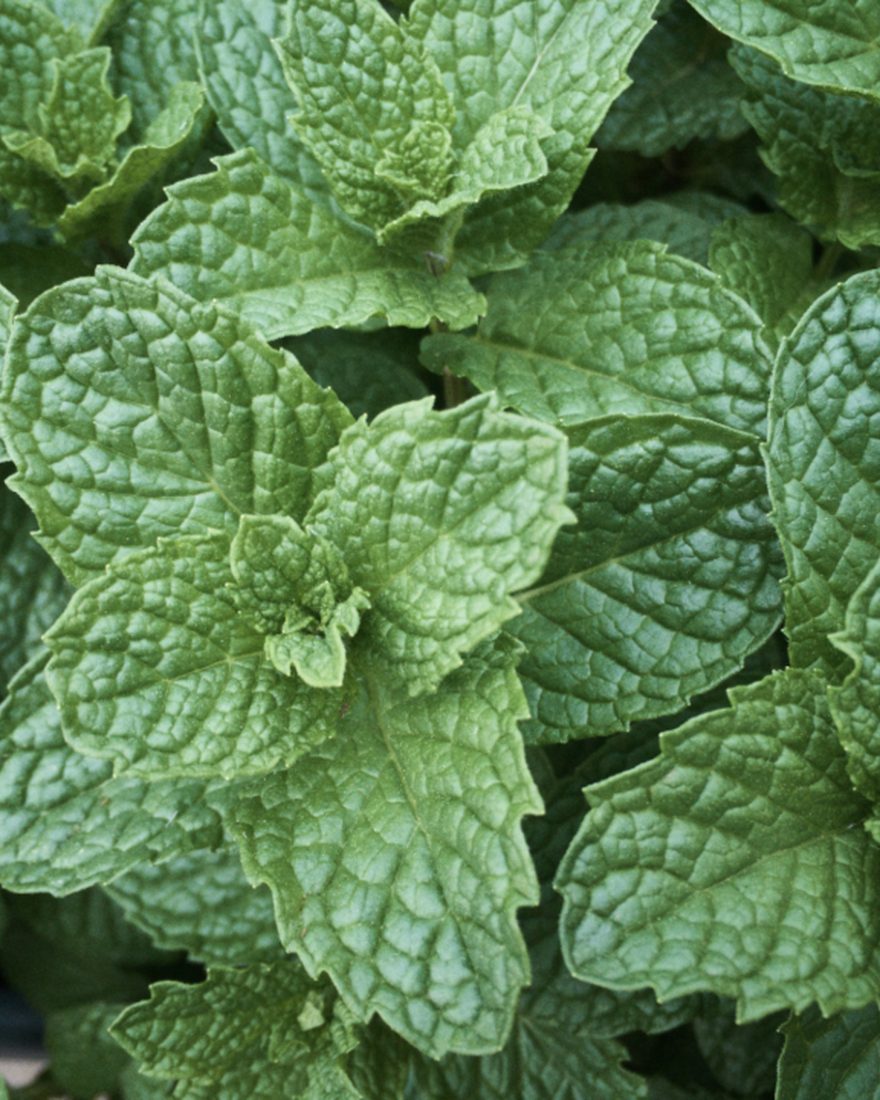
Skullcap earns its name from the small helmet-shaped calyx that cups each blue-violet flower, a detail visible only up close on a plant that otherwise looks like an unremarkable roadside weed. It favors wet ditches and stream banks, leggy and easy to overlook until it flowers in midsummer. The stems are square in cross-section, in the way of the whole mint family it belongs to, though skullcap keeps none of the family's usual fragrance. This tincture is a deep amber-green, made from the fresh flowering herb, faintly grassy on the tongue.
American herbalists of the nineteenth century leaned on skullcap more than almost any other native nervine, and it has held its place in Western herbal practice ever since. The fresh and dried herb alike is traditionally used to support a calm, settled nervous system through a tense or overstimulated day.
Skullcap is also one of the more commonly adulterated herbs in the trade, often cut with the unrelated germander. Ours is verified true Scutellaria lateriflora before processing, wildcrafted from wet meadows in the Pacific Northwest, and cut only from the upper third of each plant so a second flush can rise before the season ends. It is tinctured fresh, within hours of harvest, to preserve what dried material tends to lose.
Twenty to thirty drops as needed, or before bed if the day's thoughts are still circling at midnight. A plain little roadside plant, doing quiet work for minds that will not quite switch off.