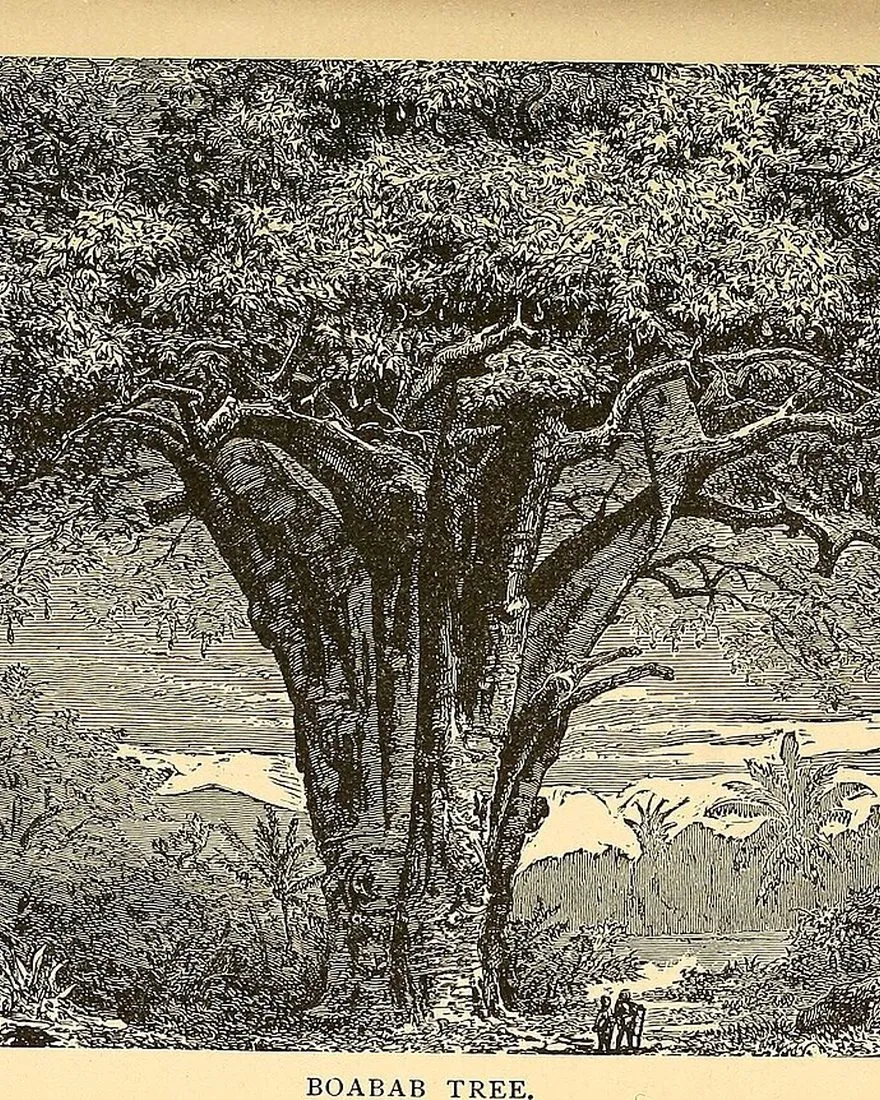
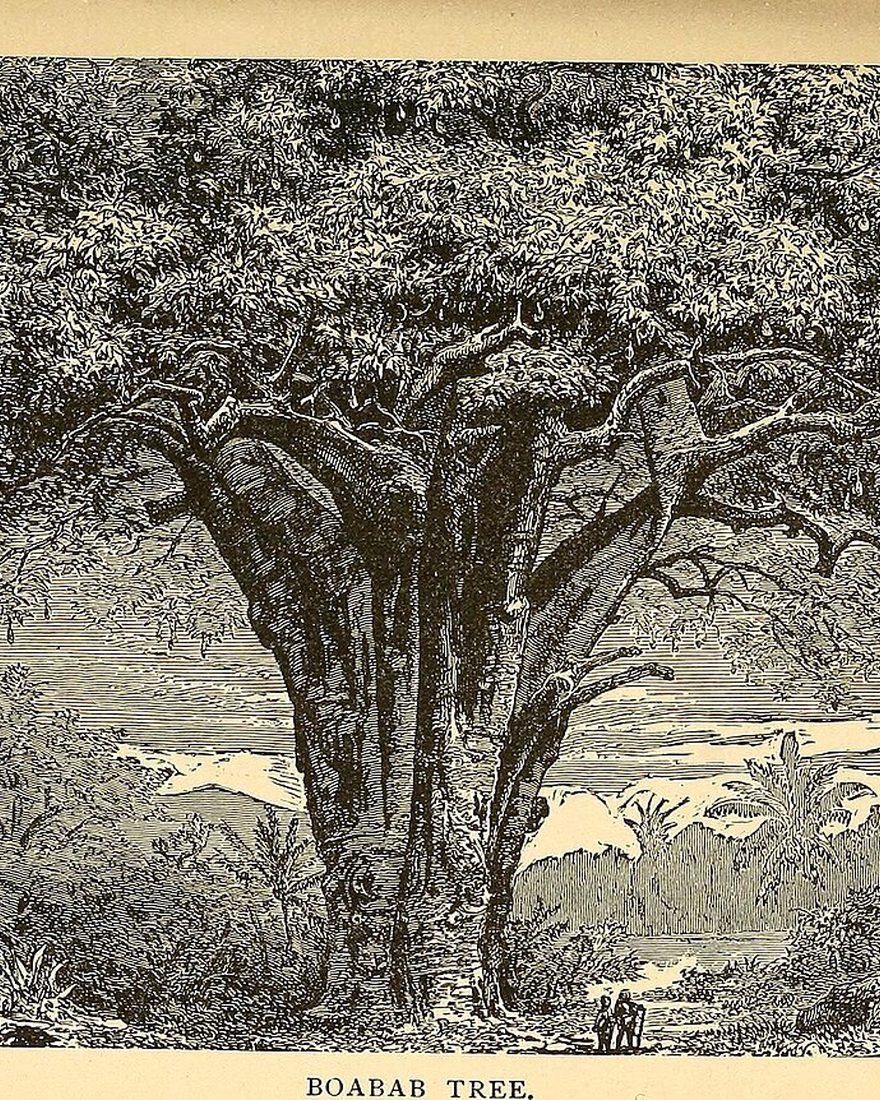
Adansonia digitata, the baobab or upside-down tree, bears a hard, gourd-like fruit whose pale pulp dries naturally inside the shell long before harvest, needing little more than cracking and sieving to become the fine, chalky powder in this jar. The tree itself can live for centuries and grow to enormous girth, its swollen trunk a fixture of the savanna long after any single season's fruit has been forgotten by the people who gathered it, and it is often the only shade for miles.
Villages across the African savanna have gathered baobab pulp beneath these same ancient trees for generations, prized as a naturally sharp, tart food valued for its vitamin C and soluble fiber content. It is traditionally eaten as a nourishing addition to the daily diet rather than as a remedy reached for during any particular complaint or season.
Two teaspoons daily, stirred into water, yogurt, or a morning bowl — the flavor is bright and citrus-sharp, closer to sherbet than to a typical greens powder, and needs no sweetening beyond what it already carries.
Baobab is traditionally valued as a source of vitamin C and fiber; it does not treat or prevent any condition and is not a substitute for medical advice.
Story preview
Tap to flip through the cover, snippets, and details.
 Baobab Fruit Vitamin-C Powder