Essential Oils
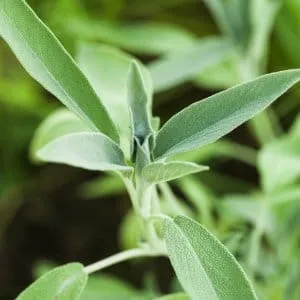
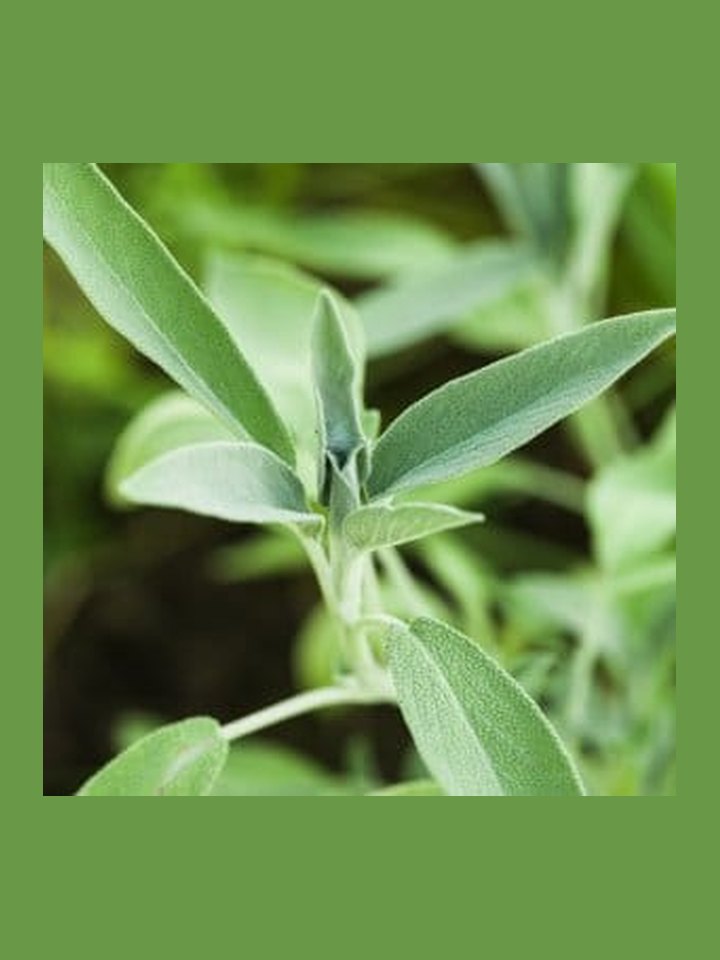
Greek Sage Triloba (Fruticosa) CO2.
Greek sage CO2 from organically grown Albanian leaves: herbaceous, a little woody and earthy, and an alternative to white sage for clearing a room in ritual.
Recommended for you.
Pantry
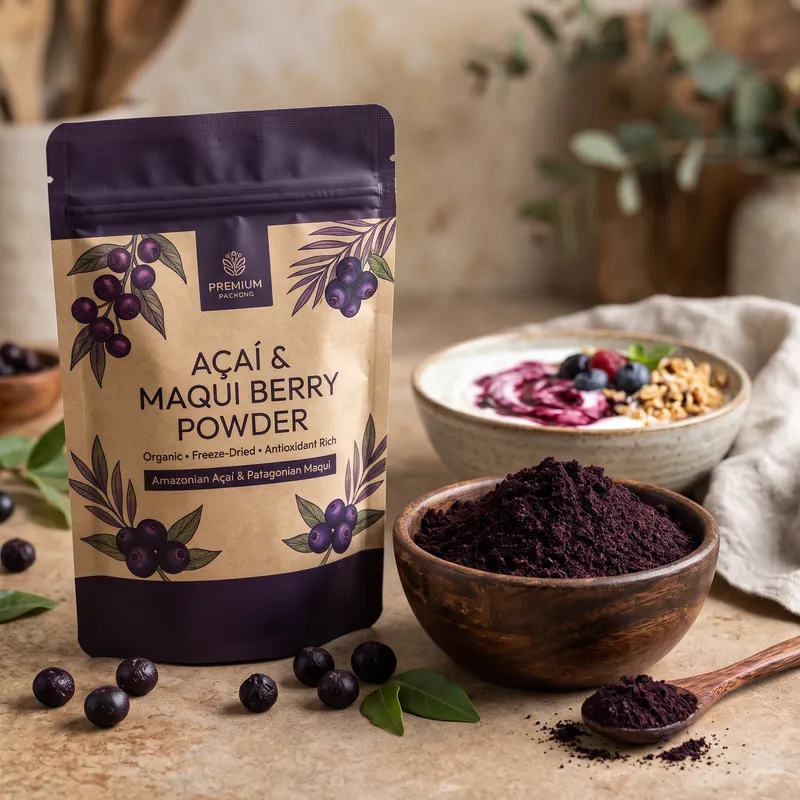
Açaí & Maqui Berry Powder
Freeze-dried açaí from the Amazon floodplain and maqui from Patagonia, ground together into a near-black purple powder: tart, faintly grape-dark, and made for smoothie bowls and yo
$24.00
Daily staples
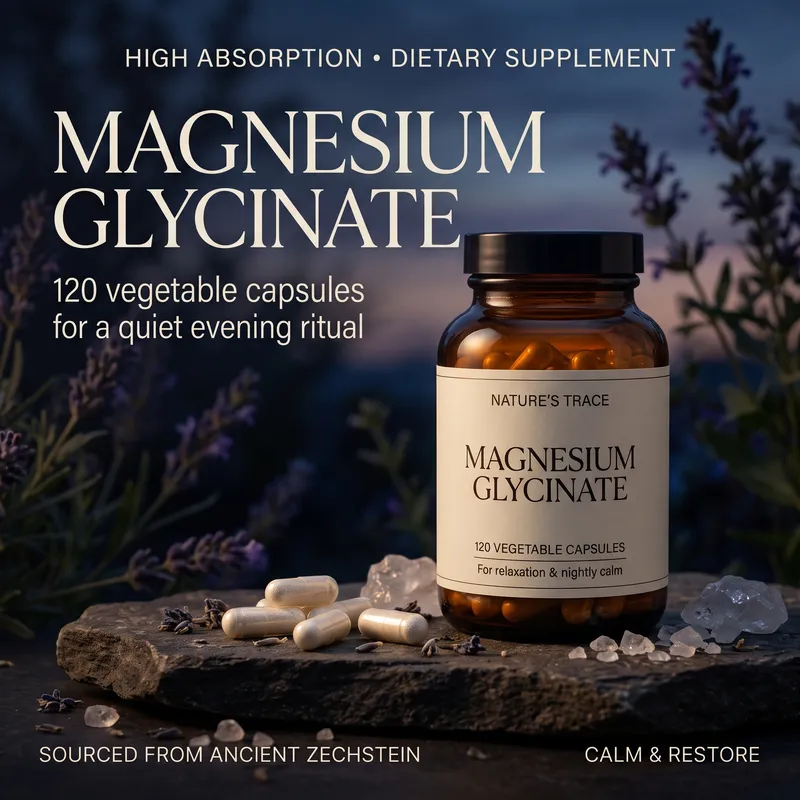
Magnesium Glycinate
Magnesium bound to glycine, drawn from the ancient Zechstein seabed beneath northern Europe: 120 vegetable capsules for a quiet evening ritual, in the form many find easy on the st
$24.00
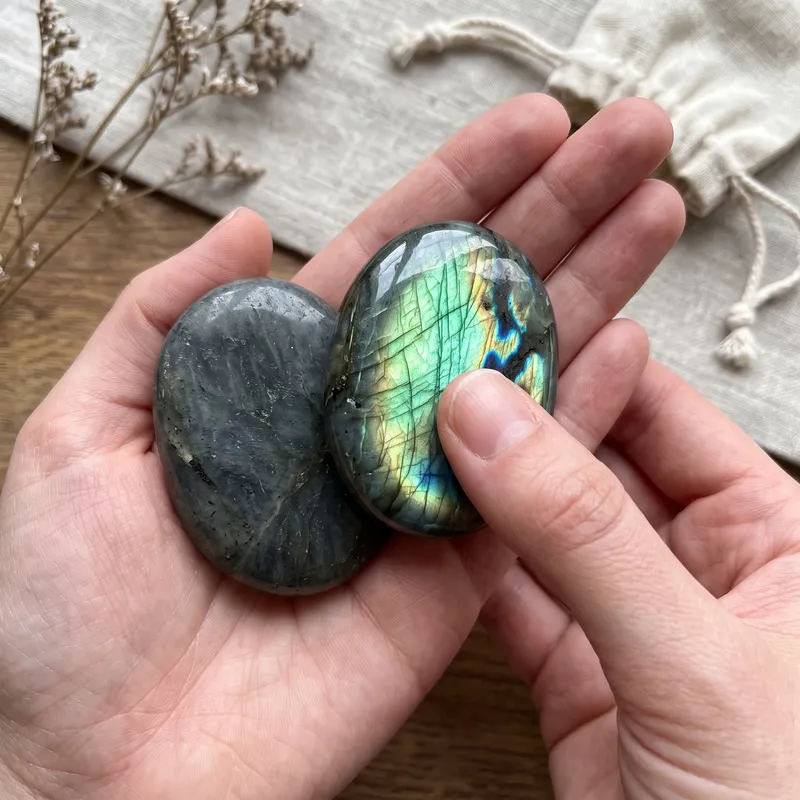
Labradorite Palm Stone — Aurora Veil
A palm-sized dome of Madagascar labradorite, gray-green at rest until the light catches it and a sheet of electric blue and gold sweeps across, like the northern lights under your
$22.00
Aromatherapy Blends
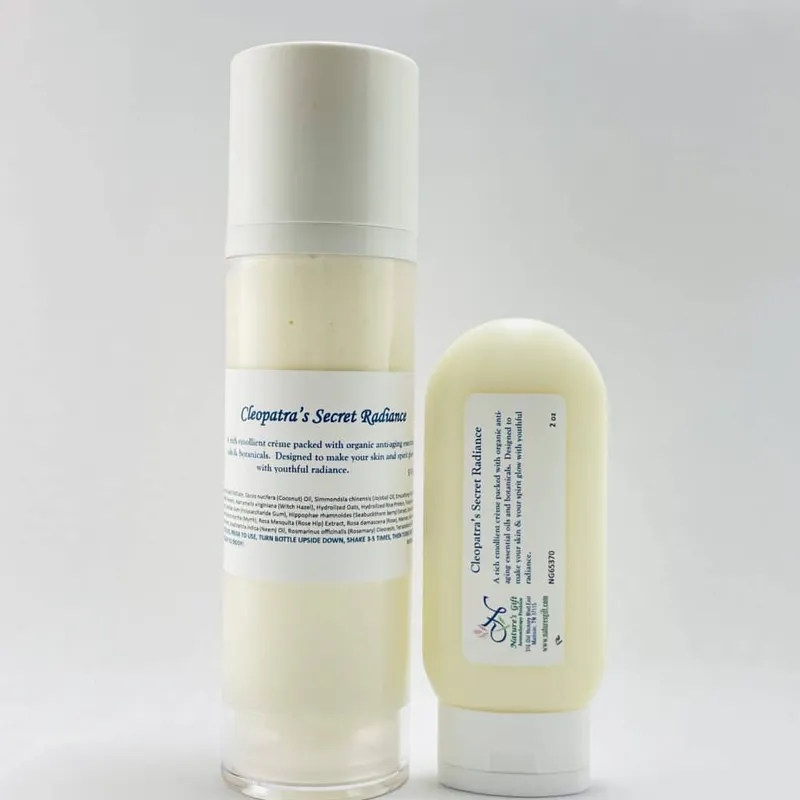
Cleopatra’s Secret Radiance
A rich, rose-scented face and body creme made primarily with certified organic ingredients, rose hydrosol first among them, that absorbs quickly.
$18.00
Teas
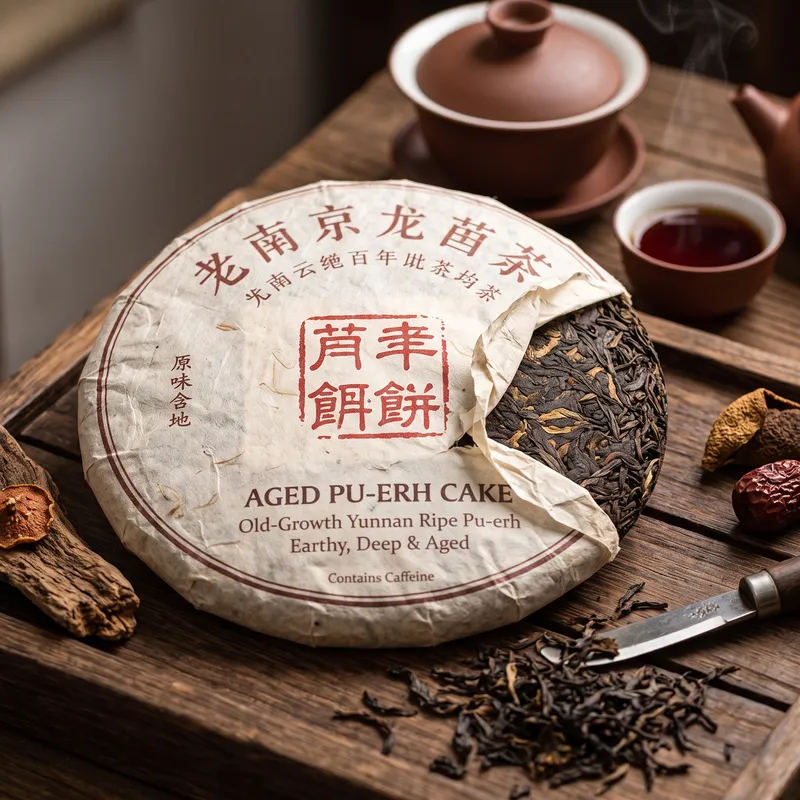
Aged Pu-erh Cake
A rice-paper-wrapped disc of ripe pu-erh from old-growth gardens in Yunnan: earthy and deep, scented with dried fruit and old wood, and good for many steepings.
$28.00
Daily staples
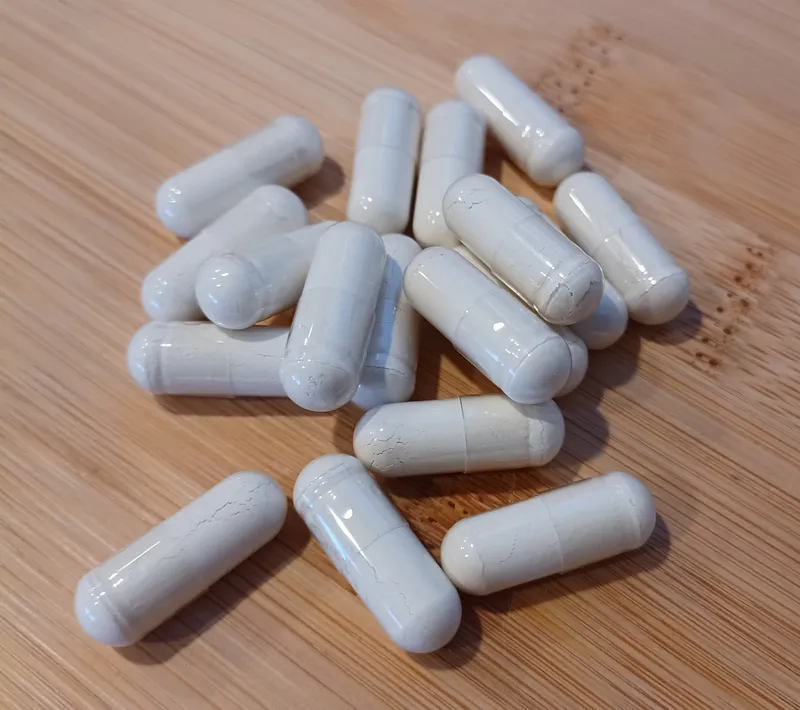
Calcium & Vitamin D3
Calcium citrate and vitamin D3 in a matte white tablet with the faint, dry smell of chalk, taken two at a time with an evening meal as part of a steady daily routine.
$18.00
Bottles, Jars, and Blending Accessories
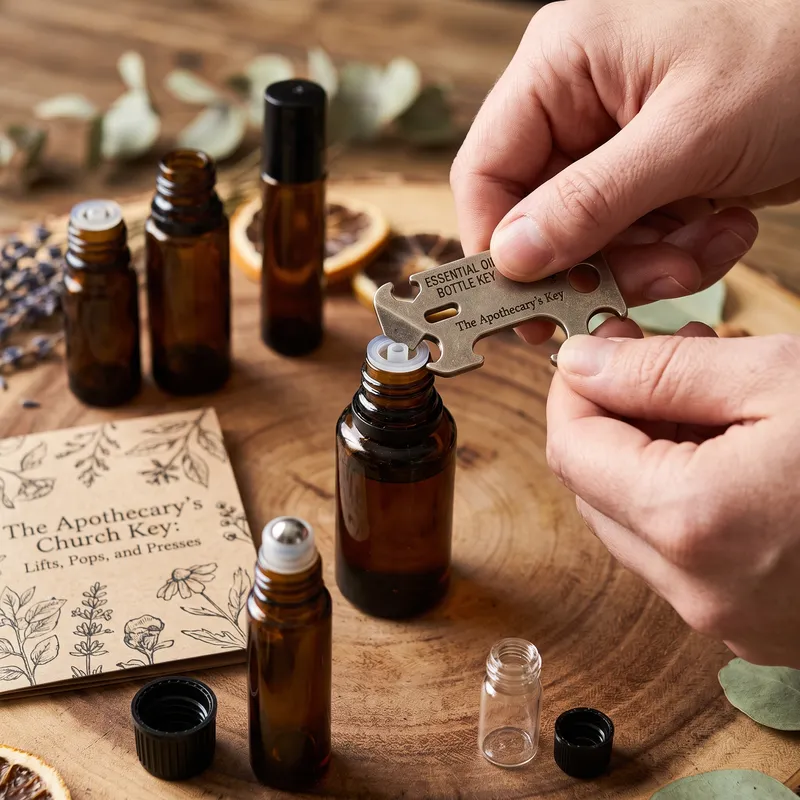
Essential Oil Bottle Key (Bottle Opener)
The apothecary's church key: a small tool that lifts orifice reducers, pops out roller balls and eases off sample vial stoppers, then helps press them all back into place.
$4.99

Mercury-Glass Scrying Orb
A hand-blown, double-walled glass sphere from a Bohemian workshop, silvered inside in the old mercury-glass way.
$54.00
Options and costs for your address, before you pay
About this product
Picture a dry Mediterranean hillside at noon, the air full of crushed leaves and warm stone. Greek sage grows wild across Greece and the Mediterranean, where it has long gone into traditional herbal remedies and the cooking pot; it is the herb most often used for sage tea.
This extract is made in Germany by CO2 extraction from organically grown leaves of Salvia triloba (fruticosa) from Albania. Its scent is very herbaceous, a little woody or earthy, and quite pleasant. High in 1,8-cineole and camphor, it is close in composition to white sage (Salvia apiana) and can take its place in spiritual practice: clearing a space of heavy energy, or as part of a smudging ritual.
Details
- Botanical name: Salvia triloba (fruticosa)
- Origin: organically grown leaves, Albania
- Method: CO2 extraction, Germany
- Notable components: 1,8-cineole, camphor
- Shelf life: about 2 to 3 years after opening
How to use
Diffuse a little to clear a room before a ritual. Do not use it on or near the face of infants or young children, because of its high 1,8-cineole content. Its camphor content carries a risk of seizures, and it should be avoided in cases of brain cancer. Never ingest it. Store in the dark, refrigerated, and decant half-full bottles into smaller, full ones.
Keep it for the evenings when a room needs to begin again.
Story preview
Tap to flip through the photos and the key points.
 Greek Sage Triloba (Fruticosa) CO2
You might also like
You may also enjoy.
Picking up where you left off