
Arcana Ritual & Incense
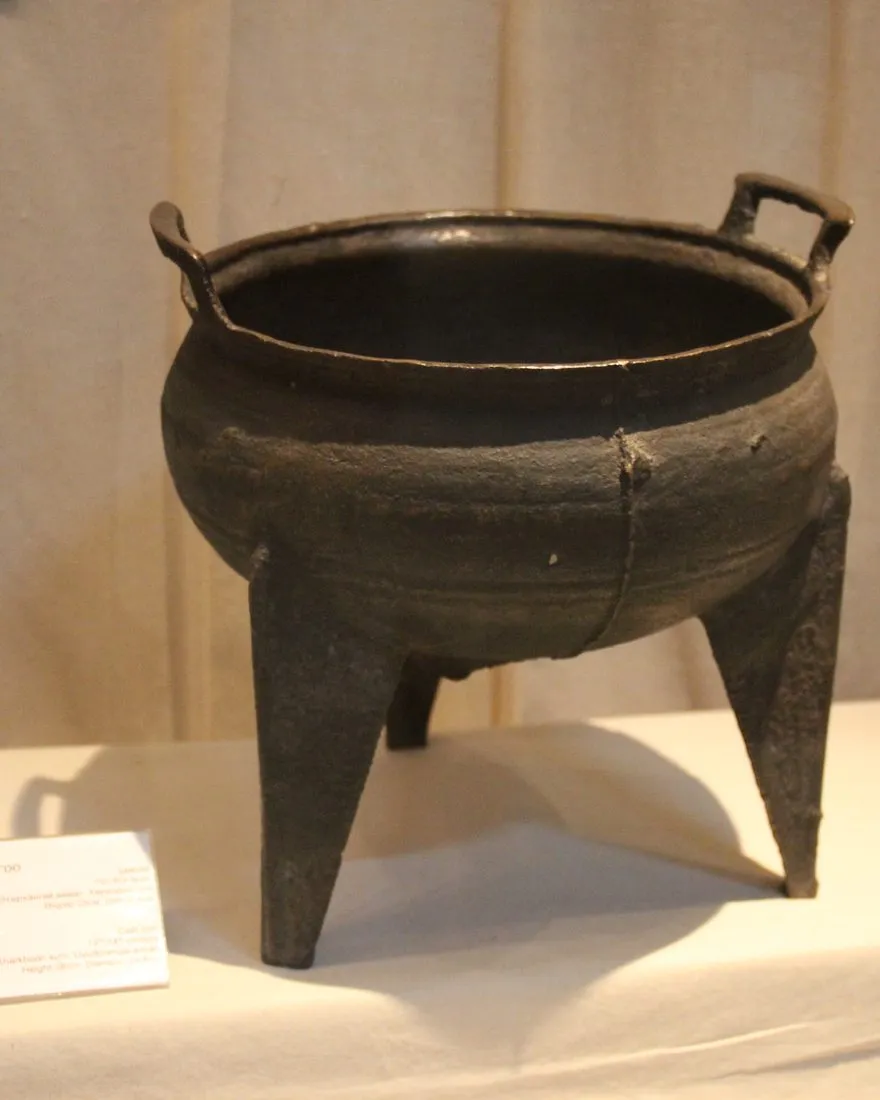
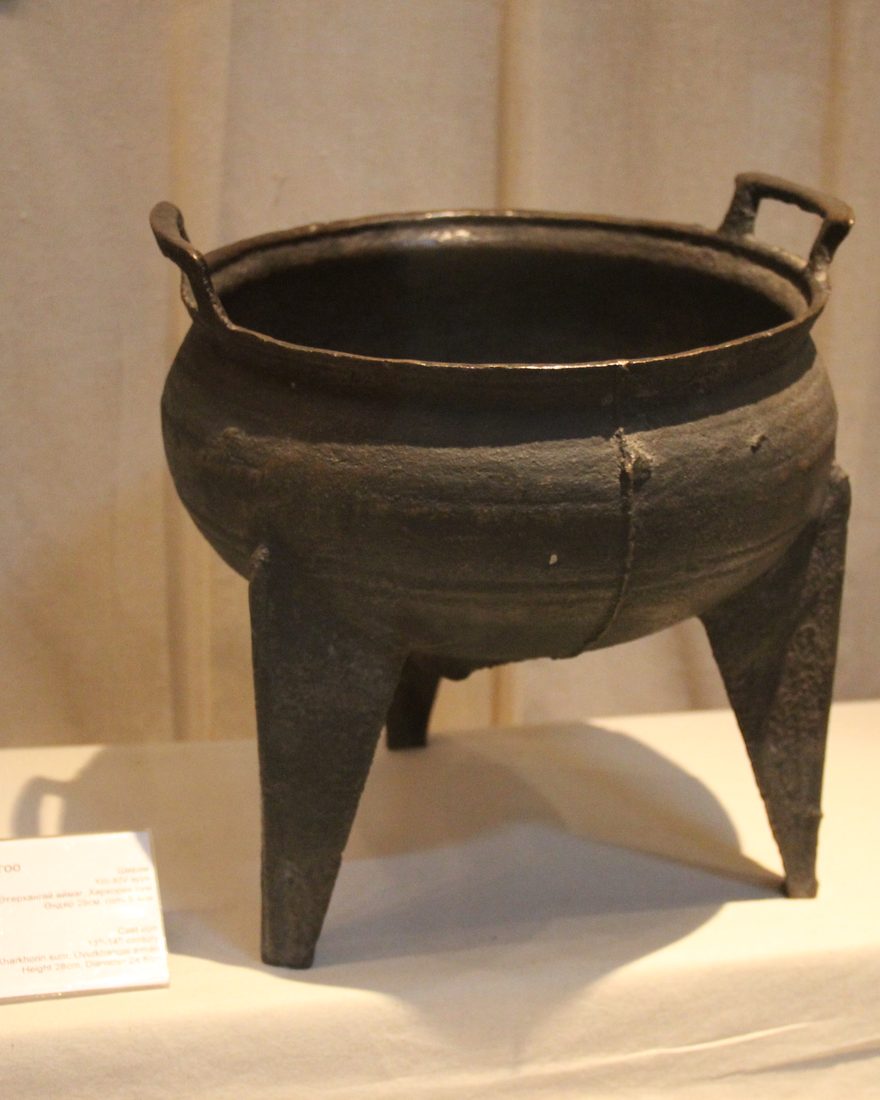
Cast-Iron Cauldron Censer
A small three-legged iron cauldron for resin, charcoal, and herbs.
$29.00
Last reviewed
Field notes
- Origin
- Cast iron
- Mass
- 400–500 g, ~8 cm
- Cut
- Three-legged cauldron, lidded
- Provenance
- Sand-cast, workshop-finished
In stock — ships within 48h
Third-party testedEvery batch verified by an independent lab.
Ethically sourcedVetted makers, traceable origins.
Vegan & cleanNo unnecessary fillers, ever.
Ships in 48hTracked from checkout to your door.
Description
A palm-sized cauldron sand-cast in solid iron, roughly eight centimetres across, standing on three stubby legs with a small looped handle and a fitted lid. At 400 to 500 grams it has real heft for its size — small enough to sit on a crowded altar shelf, solid enough to hold a burning charcoal disc and a scatter of resin without complaint or warping.
The three-legged cauldron is one of the oldest and most recognizable pieces of ritual iconography in the West: the witch's pot of folk tale, the alchemist's vessel where base matter was worked toward gold, the household hearth reduced to a single portable vessel. Folklore across these traditions treats the cauldron as a place of transformation, where separate things are combined and become something else entirely over heat.
Line the base with sand or salt before lighting charcoal inside it — the iron conducts heat quickly, and a layer of sand protects both the metal and whatever surface the cauldron rests on. Wipe it dry after each use to keep the iron from rusting.
Sold as a curiosity — no medical or scientific claims are made, only a well-worn piece of ritual iconography made functional for daily use.
Story preview
Tap to flip through the cover, snippets, and details.
 Cast-Iron Cauldron Censer
Related products
View all →
Sweetgrass Braid
$9.50
Sandalwood Incense Sticks
$12.00

Frankincense Tears Resin
$16.00
Recently viewed
Cast-Iron Cauldron Censer
$29.00