A nazar boncuğu — literally, the evil-eye bead — blown from molten glass at a wood-fired furnace near İzmir, its concentric rings of cobalt blue, white, and black built up in layers while the glass is still workable. Furnace work of this kind resists uniformity by nature: no two nazars come out quite the same size, weight, or shade of blue, and the slight asymmetry is part of the charm rather than a flaw in it.
The nazar is among the most widely recognized protective charms in the world, hung over doorways, strung above cradles, clipped to rearview mirrors, and worn as jewelry from the Balkans through Anatolia and across much of the Mediterranean and Middle East. Folklore holds that its painted eye catches an envious or admiring glance — the evil eye of the charm's name — before that glance can settle on whatever it was aimed at, absorbing the harm on the bearer's behalf.
Hang it somewhere a gaze naturally lands first: just inside a doorway, above a workbench, or in a window facing the street.
Sold as a curiosity — no medical or scientific claims are made of it, only a long and widely shared folk tradition.
Story preview
Tap to flip through the cover, snippets, and details.
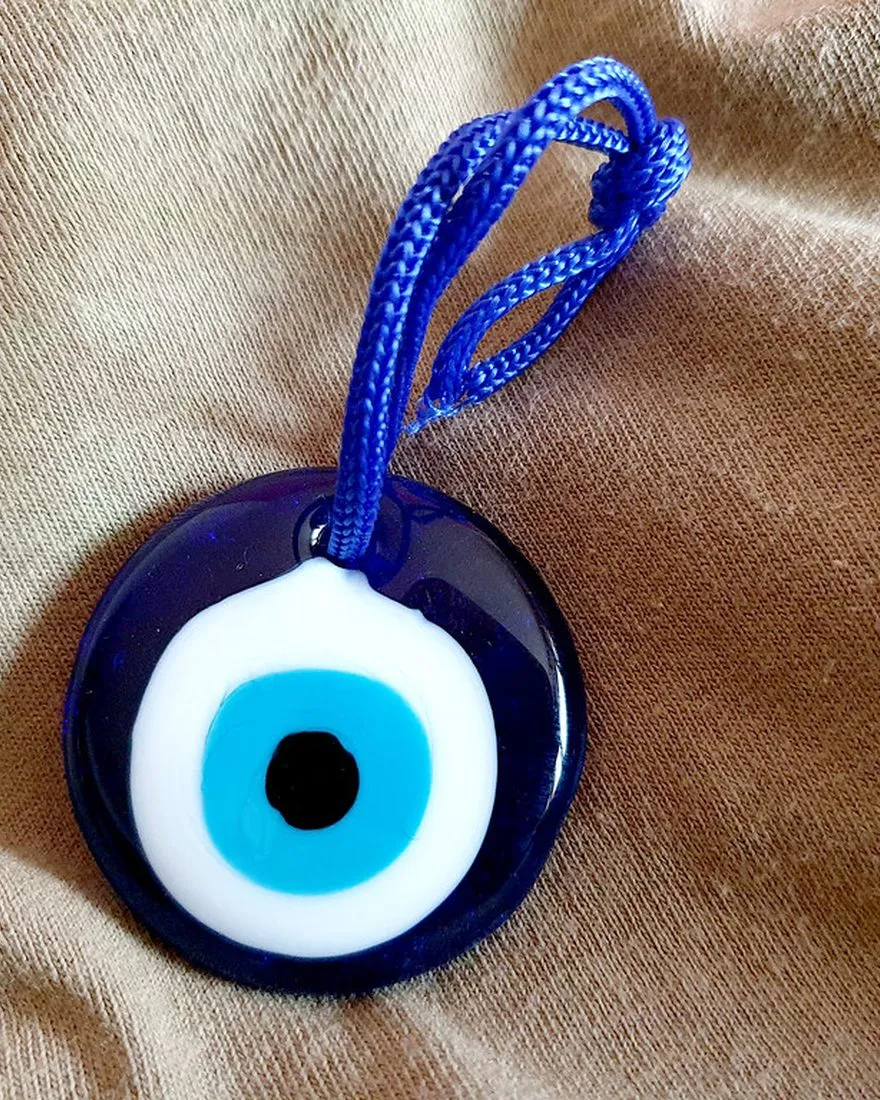
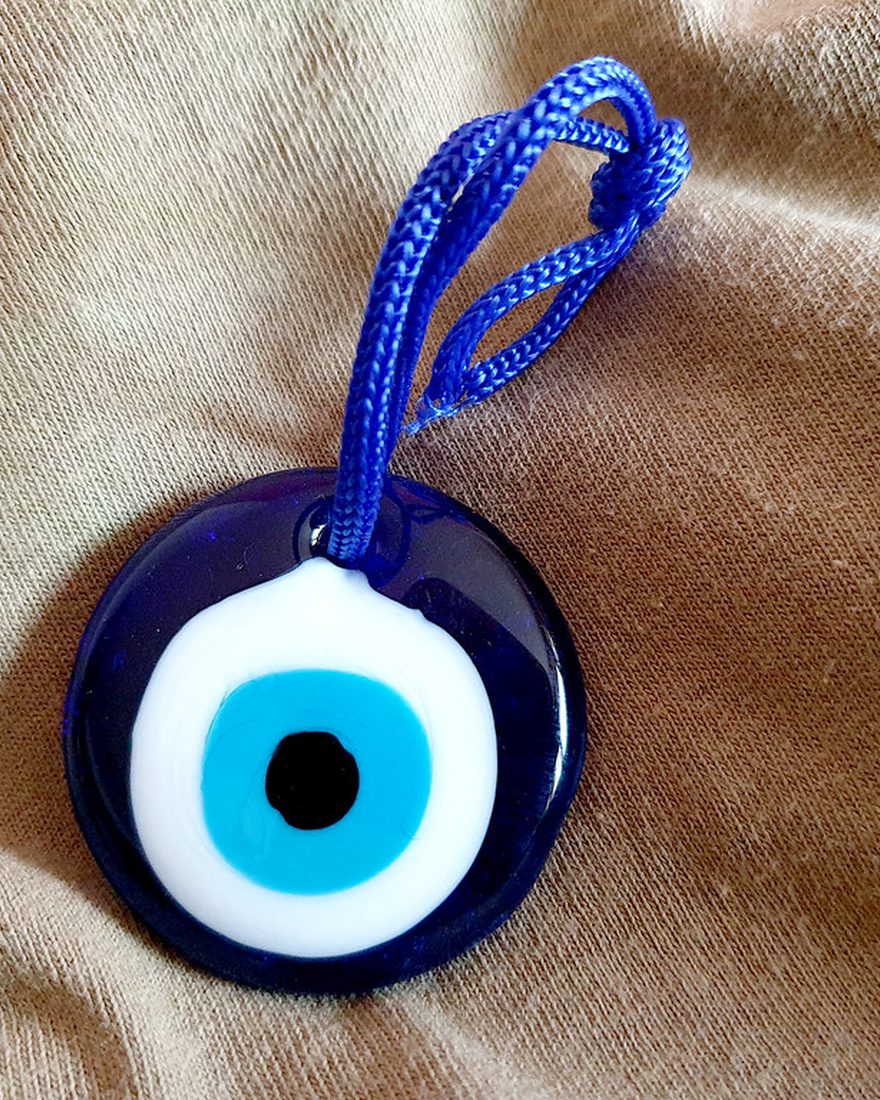 Evil Eye Nazar Charm